The Paper Trail Behind the Key: Custody Records for SME Van Fleets

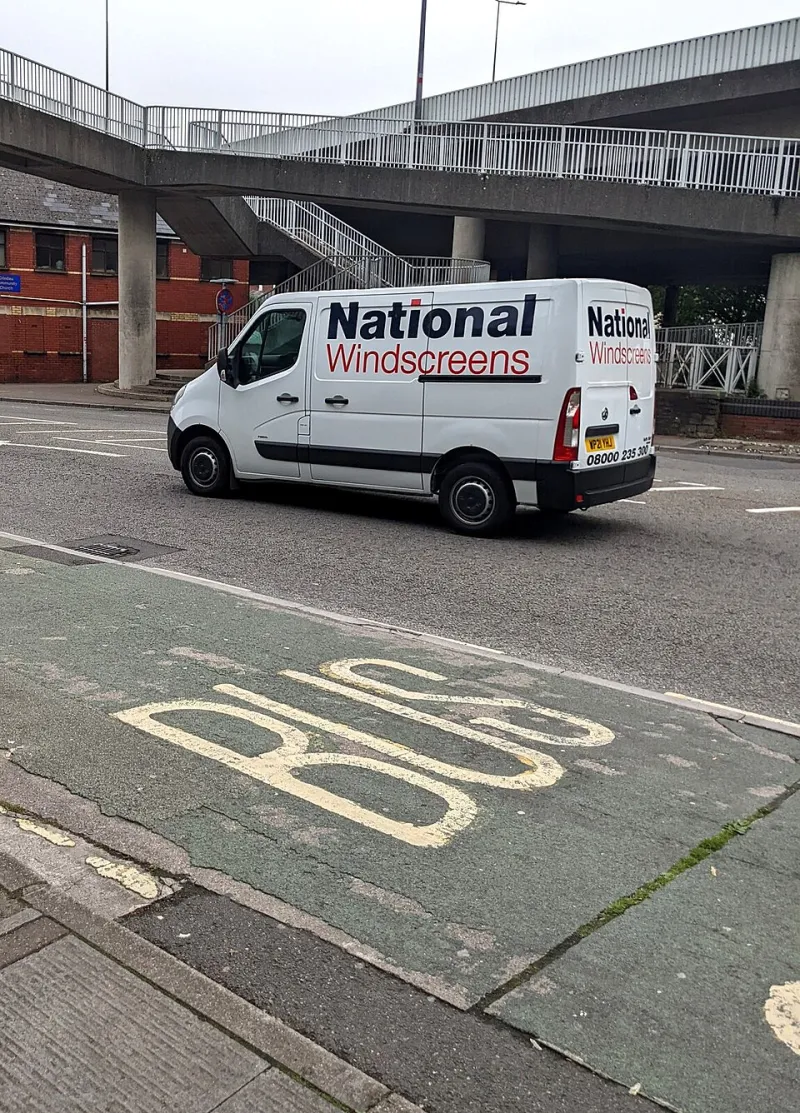
Photo: Alf van Beem, Public domain, via Wikimedia Commons
A Small Item With a Long Shadow
A van key is one of the least expensive components on the vehicle and one of the most disruptive when it disappears. The immediate concern is theft. The secondary concerns arrive more slowly: a vehicle off the road while a replacement is cut and coded, an insurer asking who held the last known fob, a driver waiting for a spare that was never signed out, and a remark on the disposal file years later when the van is sold.
For SME fleets, the difficulty is rarely a lack of care. It is a lack of record. Keys move between drivers, workshop staff, yard supervisors and occasional contractors. Without a written custody trail, the fleet cannot say who held what, when it was returned, or whether a spare was ever issued. The purpose of a key register is not to create bureaucracy for its own sake. It is to make the ordinary movement of keys visible, and to make the exceptional event — a loss — manageable.
Number, Tag and Record Before First Issue
A custody system begins at vehicle acceptance, not at the moment a key is lost. Each van should enter the fleet with its keys accounted for and marked in a way that links the fob to the vehicle, not to the driver. A simple sequential tag — V01, V02, V03 — attached to the fob and recorded against the registration, VIN and fleet number is enough. Where a vehicle is supplied with two or three keys, each should carry its own identifier: V01-A, V01-B, V01-C. The distinction matters when a spare is issued and the original is later returned.
The register itself can be a spreadsheet, provided it is controlled and backed up. At minimum it should capture the vehicle, the key identifier, the date of first receipt, the number of keys supplied, the current holder, the issue date and the return date. A column for remarks is useful for recording a damaged fob, a replacement battery or a transponder that has been reprogrammed. The register should not be editable by everyone. One named administrator, with a nominated deputy, is sufficient for most SME operations.
Issue and Return: The Signature That Does the Work
A key handover should be a two-line transaction, not a conversation. The driver signs for the key; the administrator records the date and time. The same applies on return, including temporary returns for service, valeting or bodywork. A signed issue record does not prevent loss, but it establishes the last known custodian and removes ambiguity when a vehicle is reported without its key.
For fleets with regular shift patterns, a key cabinet with numbered hooks and a signing-out sheet can work well, provided the sheet is collected and filed rather than left to accumulate. For smaller fleets, a bound notebook kept with the spare keys is often more reliable than a digital system that depends on someone remembering to update it. Whatever the format, the principle is the same: the record should reflect the physical position of the key at the end of each working day.
Storing the Spare Without Creating a Second Problem
Spare keys are a security asset and a security risk. A spare kept in an unlocked drawer in the office is not a spare; it is an unrecorded second key. The storage point should be secure, access-controlled and known to a limited number of people. A wall-mounted key safe inside a locked office, or a small cabinet with a digital code that is changed when staff leave, is adequate for most SME premises.
The register should record the storage location of each spare and the name of the person who can access it. Where a spare is removed for any reason — a service visit, a recovery, a driver who has locked a key inside the van — the removal should be logged in the same way as an issue to a driver. The aim is to avoid the familiar situation in which a spare is used once and then quietly becomes the primary key, leaving the register out of date.
Immobiliser Coding: The Record Behind the Replacement
Modern van keys are not simple cut blanks. They contain a transponder that must be coded to the vehicle's immobiliser, and in many cases a remote locking function that must be paired. The coding record matters for two reasons. First, a replacement key cannot be ordered efficiently without the vehicle's key code or a suitable programming reference. Second, when a key is lost, the fleet needs to know whether the remaining keys can be deleted from the vehicle's system and a new set programmed.
A useful custody file therefore includes the key code or programming reference supplied with the vehicle, the date of any previous key programming, and the name of the locksmith or dealer who carried it out. This information should be held separately from the keys themselves, in the vehicle file or a secure digital record. It is not a substitute for the manufacturer's own records, but it shortens the process when a replacement is needed at short notice.
When a Key Is Lost: A Short Escalation Path
The escalation steps should be written before they are needed. A practical sequence is: establish the last known custodian from the register; confirm whether the key was lost, stolen or simply mislaid; secure the vehicle if there is any suspicion of theft; notify the insurer in line with the policy terms; arrange for the remaining keys to be assessed and, where appropriate, deleted from the immobiliser; and order a replacement through a franchised dealer or an approved automotive locksmith.
The register should record the loss, the date it was reported, the action taken and the cost. That entry is valuable for two reasons. It supports any insurance claim, and it creates a pattern that can be reviewed. A fleet that records three lost keys in a year is not necessarily careless, but it has a question to answer about custody practice.
The Cost Side of the Ledger
A replacement key for a light commercial vehicle commonly falls somewhere between £150 and £400 depending on the manufacturer, the type of key and whether programming is required. That figure is only the visible cost. The vehicle may be off the road for a day or more while the key is ordered and coded. A driver may need a temporary vehicle or a adjusted schedule. The insurance excess may apply. At disposal, a van offered with one key rather than two may attract a lower trade bid or a question from the buyer.
These costs do not need to be forecast precisely. They need to be visible. A simple annual review of key losses, replacement costs and downtime gives the fleet manager a figure to set against the cost of a key cabinet, a signing sheet or a small amount of administrative time. In most SME fleets, the arithmetic is not close.
Keeping the Register Alive
A custody record fails when it is treated as a one-off exercise. It should be checked at the same time as other fleet administration — when a driver joins or leaves, when a vehicle is serviced, when insurance is renewed, when a van is defleeted. A quarterly spot check of five vehicles, comparing the physical keys against the register, is enough to catch drift before it becomes a dispute.
The register does not need to be sophisticated. It needs to be accurate, controlled and available when someone asks the simple question: who holds the key to this van? A fleet that can answer that question quickly is already ahead of the one that cannot.