Layered Defence: Specifying Van Security That Insurers Will Recognise

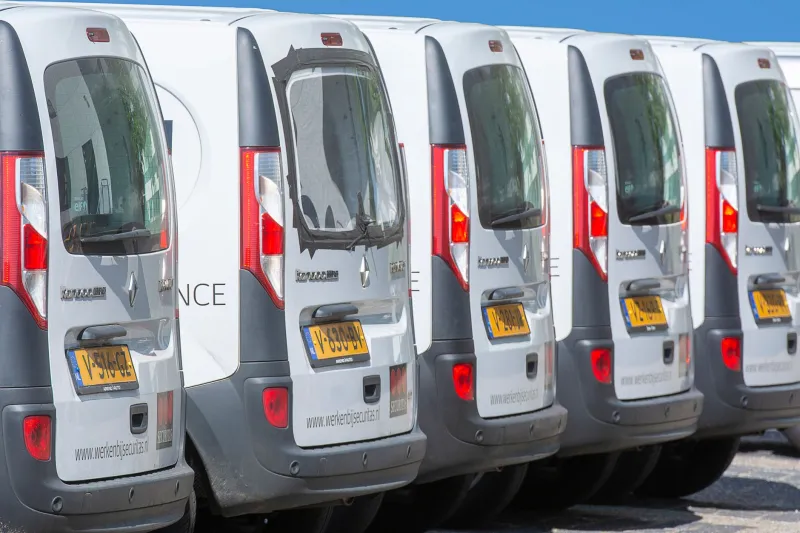
Photo: Leefisher91, CC BY-SA 4.0, via Wikimedia Commons
Van theft is rarely a single failure. It is a chain of small opportunities: a key signal captured outside a house, a load door without a deadlock, a van parked in an unlit yard, a tracker subscription that lapsed. Insurers look at the same chain. A security specification that only adds one visible device may satisfy a brochure, but it seldom satisfies an underwriter.
For UK fleets in 2026, the practical task is to build a layered defence that can be explained, evidenced and maintained. The aim is not to turn every van into a fortress. It is to make the vehicle harder to take, easier to recover and simpler to insure.
Start with the insurer conversation
Before ordering kit, speak to the broker or insurer about the vehicles, the operating pattern and the overnight parking arrangements. Some policies specify approved alarms, immobilisers or trackers; others offer better terms for Thatcham-approved equipment. A common mistake is to fit a device that the insurer does not recognise, then discover the discount does not apply.
Ask what evidence is required. Typically, the insurer will want the product type, the installer, the installation certificate and proof that any subscription is active. For leased vehicles, also check the funder's modification policy. A security upgrade that is welcomed by the insurer may still breach a lease return standard if it involves drilling, cutting or permanent wiring changes.
Mechanical layer: slow the attack
Mechanical devices are the simplest layer and often the most visible. Deadlocks on cab and load doors, slam locks, a lockable bulkhead, steering wheel locks, pedal boxes and wheel clamps all add time. Time matters because most thieves do not want to spend long in a yard or on a street.
For high-risk loads, consider internal lockers or cages that keep tools and equipment out of sight and away from the doors. A van with a clean, empty load bay is less attractive than one with power tools on display. Mechanical security should be specified with the vehicle conversion, not added after the racking has already blocked access to the door structure.
Electronic layer: alarms and immobilisers
An approved alarm and immobiliser should be the core electronic layer. Thatcham-approved systems are widely recognised by insurers and give a common reference point for specification. Factory-fitted systems can be adequate, but their capability varies; check whether the vehicle has an alarm, whether it is Thatcham rated and whether it includes perimeter and interior protection.
Aftermarket immobilisers need careful handling. CAN-bus devices and ghost immobilisers can be effective, but they can also interfere with diagnostics, warranty terms or lease arrangements. Use a reputable installer, keep the installation documentation and tell the insurer exactly what has been fitted. Avoid any kit that requires splicing into safety-critical circuits without manufacturer approval.
Tracking: recovery and evidence
A tracker is not a substitute for an immobiliser, but it improves recovery chances and provides evidence. Insurers often recognise Thatcham S5 or S7 categories, with S5 generally offering a higher level of monitoring and driver identification. The key word is active: a tracker with a lapsed subscription is little more than a sticker.
For fleet use, check how the tracker integrates with the telematics platform. Alerts should reach someone who can act, not just fill a dashboard. If the vehicle is leased, confirm who owns the device and whether it must be removed at return. Keep the subscription renewal in the fleet diary alongside insurance and servicing.
Keyless entry and relay attacks
Keyless entry has made relay attacks familiar. Thieves capture the key signal near a house and relay it to the vehicle. The countermeasures are partly technical and partly behavioural. Faraday pouches or boxes for keys at home, motion-sensing key fobs, sleep mode on the vehicle and, where available, a manufacturer security update all help.
The behavioural side is just as important. Do not leave keys near doors or windows. Do not leave a spare key in the van. If the vehicle has keyless entry, make sure drivers understand the risk and know how to use any provided pouch. For high-value vans, a steering wheel lock remains a useful visual deterrent even when the vehicle is keyless.
Loading and parking policy
Secure loading practices reduce the reward. Remove tools and equipment overnight where possible. If that is not practical, use lockable storage and keep the load bay tidy so that valuables are not visible. Park with the load doors against a wall or fence where the site allows it. Use secure yards with lighting, CCTV and access control for high-risk vehicles.
Overnight parking should be a written policy, not a driver's improvisation. The policy should state where vans may be parked, what security features must be used, how keys are stored and who to contact if a vehicle is stolen. Insurers increasingly ask about parking, and a clear policy is easier to evidence than a verbal assurance.
Documentation and lease discipline
Keep a security schedule for each vehicle: alarm type, immobiliser, tracker category, installation date, installer, certificate and subscription renewal. Photograph the installed equipment. Record any insurer notification. If a vehicle is replaced or the lease ends, update the schedule.
For leased and financed vans, obtain written approval before fitting aftermarket security that involves modification. Ask whether the kit can be removed without damage and whether the lease return inspection will treat it as a modification. The cheapest device can become expensive if it affects warranty, residual value or return charges.
A practical stack
A sensible 2026 specification for a UK van fleet is layered: approved alarm and immobiliser, deadlocks on vulnerable doors, a tracker with an active subscription, keyless-entry countermeasures, a lockable load area and a written parking policy. The exact mix should reflect the vehicle, the load and the insurance requirement.
The final step is to test the specification in practice. Ask a driver to demonstrate the lock-down routine. Check that the tracker alerts reach the right person. Review the insurer's confirmation. A security stack is only as good as the habit that operates it.