The 3.5-Tonne Line: What Changes When a Growing Van Fleet Becomes an Operator
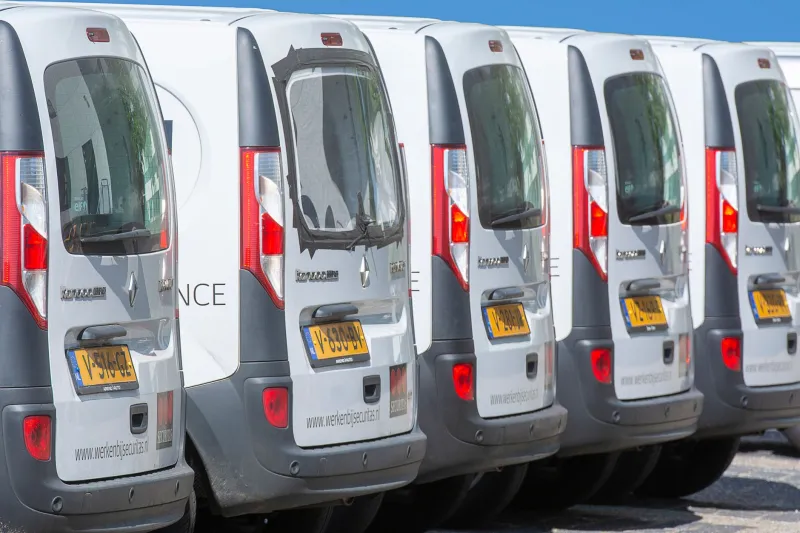
Buying a bigger van looks like a straightforward fleet decision. The load bay is longer, the payload is higher, and the driver finally stops playing Tetris with toolboxes. In compliance terms, however, the purchase can be the moment a business stops running light commercial vehicles and starts operating goods vehicles.
In Great Britain, the key threshold is not the badge on the back door. It is the plated gross vehicle weight, the trailer combination and the work the vehicle actually does. A 3.5-tonne van may sit outside goods vehicle operator licensing; a 4.25-tonne or 5.0-tonne van generally does not. The difference is legal, not cosmetic, and it should be settled before the order is placed.
The plated weight, not the showroom label
Start with the VIN plate and the vehicle specification, not the brochure. A van marketed as a 3.5-tonne model may have a plated gross vehicle weight at or below 3,500kg. A heavier derivative, a downplated chassis or a vehicle with a trailer attached can produce a different answer. For a growing SME, the practical questions are simple: what is the plated gross vehicle weight, what is the gross train weight, and will the vehicle ever tow?
Downplating is sometimes presented as a way to stay below the operator licensing line. It can be legitimate, but it reduces payload and may not suit a fleet carrying racking, welfare equipment or heavy tools. It also needs to be reflected accurately in maintenance and driver instructions. A van that is plated at 3,500kg but routinely run overweight is not a compliance solution; it is a different problem waiting for a weighbridge.
When a trailer changes the picture
Trailers are a common blind spot. A light van towing a trailer can bring the combination into scope for operator licensing, tachograph rules or both, depending on the plated weights and the use of the vehicle. The threshold is not always obvious from the towing capacity quoted in a brochure. A trailer above 1,020kg plated weight, for example, can be enough to require a closer look at operator licensing for a light goods vehicle combination. The safe approach is to check the proposed combination with DVSA or a transport compliance adviser before the trailer is ordered.
This matters for trades that tow plant, compact equipment or welfare units. The vehicle may still look like a van, but the legal regime may treat the combination as a goods vehicle operation.
Tachographs and driver hours
Once a goods vehicle is over 3.5 tonnes, tachograph rules generally apply. That brings driver hours, breaks, daily and weekly rest, record keeping and infringement management into the business. It is not enough to fit a tachograph and assume the system looks after itself. Someone must download the data, review infringements, retain records and act on patterns.
Drivers of goods vehicles over 3.5 tonnes also need Driver CPC unless a specific exemption applies. For an SME moving from car-derived vans to heavier vehicles, this can affect recruitment, agency cover and training plans. A driver who is perfectly competent in a 3.5-tonne van may need additional qualification before taking out a 4.25-tonne or 7.5-tonne vehicle.
Transport manager and operator duties
A standard national or international operator licence requires a qualified transport manager. The transport manager must have genuine responsibility for compliance, not just a name on the application. Restricted licences have different requirements, but they are not a compliance holiday: maintenance arrangements, driver defect reporting, record keeping and vehicle fitness still matter.
The application itself requires an operating centre, financial standing and good repute. Those are not paperwork formalities. Financial standing must be maintained, the operating centre must be suitable, and the operator must keep promises made in the application. If the business plans to grow quickly, it is worth checking whether the proposed operating centre has enough space and whether the maintenance provider can cope with the additional inspections.
Maintenance records that survive scrutiny
Heavier vehicles tend to attract closer attention to maintenance systems. A useful baseline includes scheduled safety inspections at suitable intervals, documented defect reporting, brake performance checks, tyre and wheel security records, and a clear process for taking vehicles off the road when defects are found. The records should show not only that work was done, but that the operator acted on defects.
For mixed fleets, separate the light van regime from the heavier goods vehicle regime in the maintenance planner. A single spreadsheet may be fine at first, but it becomes risky when inspection intervals, tachograph downloads and driver licence checks sit alongside routine servicing. The system should make the next action obvious.
A pre-purchase checklist for growing fleets
Before signing for the next van, ask:
- What is the plated gross vehicle weight and gross train weight?
- Will the vehicle tow a trailer, and what is the trailer plated weight?
- Does the combination require an operator licence or tachograph?
- Will drivers need Driver CPC or additional training?
- Is a transport manager required, and who will hold the role?
- Can the operating centre accommodate the vehicle and any trailer?
- Does the maintenance provider cover the heavier vehicle class?
- Are tachograph downloads, infringement reviews and record retention resourced?
- Does the insurance policy reflect the changed vehicle and use?
The answers should be written down before the purchase, not discovered after the first delivery. A van fleet can grow successfully, but the compliance model has to grow with it. The 3.5-tonne line is easy to cross by accident; it is much easier to manage when the business sees it coming.