Beyond the Chip: A Fleet Protocol for Windscreen Replacement and ADAS Recalibration
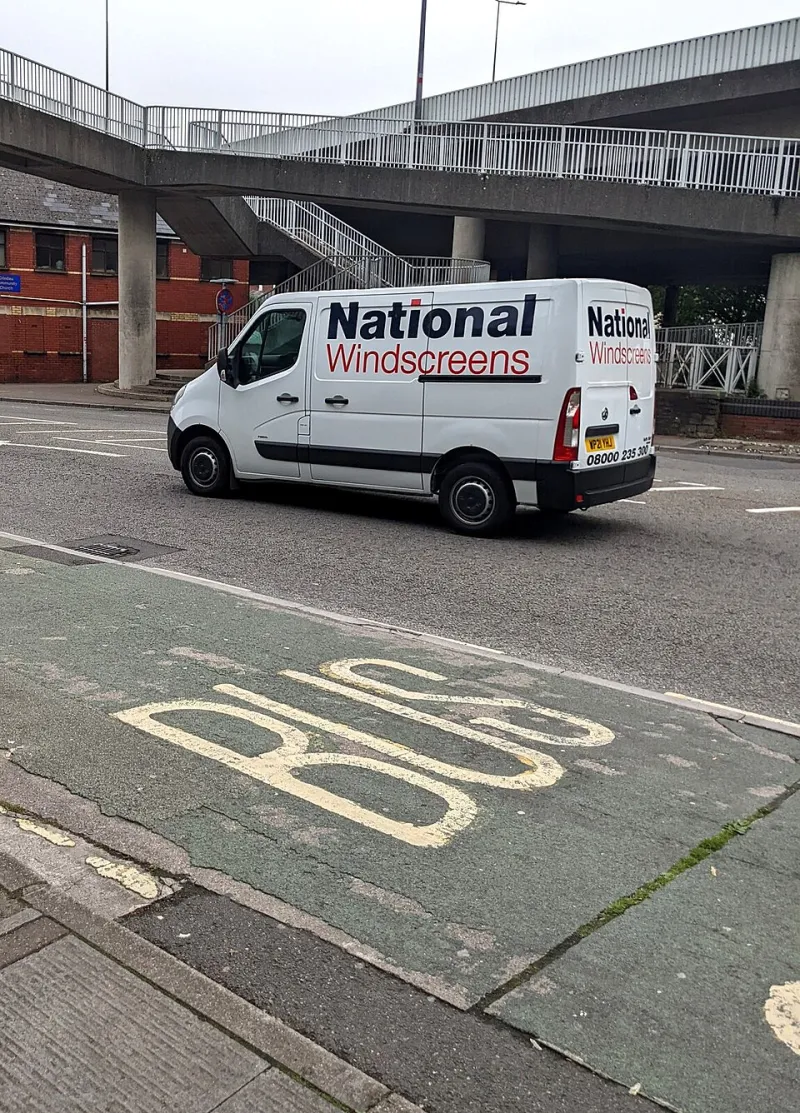
Photo: Jaggery , CC BY-SA 2.0, via Wikimedia Commons
Modern light commercial vehicles are increasingly specified with camera and radar systems that sit behind the windscreen. Lane departure warning, autonomous emergency braking, adaptive cruise control and traffic sign recognition all depend on a clear, correctly aligned view of the road. When glass is damaged, the fleet is not simply buying a new pane; it is managing a safety system, an insurance approval and a day of vehicle availability.
For an SME van fleet, the risk is rarely the cost of the glass alone. The greater exposure is an inconsistent process: a driver reports a chip late, a repairer replaces the screen without checking the calibration requirement, the insurer queries the invoice, and the vehicle returns to service with an incomplete record. A short written protocol prevents that chain of events.
Why a chip is now a systems event
A windscreen used to be judged on visibility and structural integrity. That remains true, but the glass now also forms part of the mounting and optical path for advanced driver assistance systems. A replacement screen can alter the camera angle by a fraction of a degree, and that is enough to affect system performance. Manufacturers therefore specify recalibration after many replacements, and sometimes after repairs if the work affects the camera bracket or the glass in front of it.
The fleet should not rely on a generic rule of thumb. The requirement varies by model, by model year and by the type of ADAS fitted. Two vans on the same fleet may look similar but carry different camera hardware or software. The reliable source is the vehicle manufacturer's procedure, cross-checked with the glass supplier and the calibration equipment provider.
The first hour: driver reporting and triage
Drivers should report glass damage before the end of the shift, and immediately if the damage is in the driver's line of sight, larger than a small chip, or close to the camera bracket. A photograph taken in daylight, with the vehicle registration and mileage visible in a second image, gives the fleet office something to work with before the vehicle reaches a workshop.
The report should record the position of the damage, its approximate size, whether it is a chip, crack or star break, and whether any dashboard warning has appeared. A driver should not attempt a roadside repair or apply a DIY kit without authorisation; some kits can complicate a later professional repair and may affect the insurer's position.
Checking the calibration requirement before authorising
Before a repair or replacement is approved, the fleet office should establish three points. First, whether the vehicle has a camera or radar behind the windscreen. Second, whether the manufacturer requires static calibration in a workshop, dynamic calibration on the road, or a combination of both. Third, whether the chosen supplier can carry out that specific procedure and provide a certificate.
A glass repair that stays clear of the camera bracket may not need recalibration, but that judgement belongs with the repairer and the manufacturer's guidance, not with the driver. If the screen is replaced, assume recalibration is required until the vehicle-specific procedure says otherwise. The authorisation should name the calibration method and the expected downtime, so that the transport office can plan a replacement vehicle.
Authorisation, insurer approval and downtime
Glass claims often sit outside the main fleet policy and are handled by a separate glass administrator. The fleet should know in advance whether it has a preferred supplier, whether mobile replacement is permitted, and whether recalibration is covered as part of the glass claim or as a separate repair. A cheap mobile replacement that cannot calibrate on site may become an expensive two-stage job.
Downtime should be booked as a workshop visit, not a while-you-wait appointment, unless the supplier has confirmed that calibration can be completed within the same slot. For a van on a tight delivery schedule, a half-day calibration appointment is easier to manage than a vehicle that returns to the yard with an unresolved warning light.
Paperwork that survives audit
The vehicle file should contain the damage report, photographs, insurer or administrator reference, authorisation, invoice, glass specification and calibration certificate. The certificate should identify the vehicle by registration or VIN, the calibration method used, the equipment used and the date. If a lease company or insurer later asks for evidence, this pack answers the question without a search through email.
Fleet managers should also note any related work, such as wiper blade replacement, washer jet adjustment or camera bracket cleaning. These small items explain why the final invoice may differ from the original estimate.
A winter-weighted inspection routine
From November through February, glass damage is more likely and more disruptive. Grit, salt, low sun, frost and rapid temperature changes all test the windscreen. The fleet should add a glass and camera check to the weekly walkaround routine, with a brief focus on the area in front of the camera bracket.
Drivers should check for new chips, sandblasting haze, wiper blade condition, washer fluid level and demisting performance. The camera area should be kept free of stickers, dash ornaments and loose dashcams. A dirty or obstructed camera lens can produce warnings that look like a fault but are really a housekeeping issue.
Handover checklist for drivers and workshop partners
When a van goes to a glass supplier, the driver should hand over a short pack: registration, mileage, contact number, insurer reference, known ADAS features and any warning messages. The workshop should confirm in writing whether recalibration was required, whether it was completed, and whether any system faults remain.
On return, the driver should verify that the camera area is clean, that no warning lights remain and that the vehicle's safety systems appear normal before accepting the van back into service. Any doubt should be referred to the fleet office rather than resolved on the road.
Glass damage is a small event that can expose a large gap in fleet control. A consistent reporting, authorisation and calibration record keeps the van safe, the insurer satisfied and the vehicle file complete.