Standing Down the Fleet: A Christmas Parking Order for SME Van Operations
The last afternoon is not the time to improvise
For many SME van fleets, the Christmas shutdown arrives in a rush. Deliveries are pushed forward, drivers finish at different times and the yard fills up with vehicles that will not move again until early January. The temptation is to lock up, pocket the keys and deal with the consequences in the new year. That approach is how fleets discover flat batteries, inaccessible vehicles and insurance questions at the worst possible moment.
A parking order is a simple alternative: a written instruction that governs how each van is prepared, parked, secured and recorded before the site closes for the 2026 festive period. It does not need to be elaborate, but it does need an owner, a checklist and a return-to-service procedure that is agreed before the break rather than invented afterwards.
Appoint a shutdown lead and set the cut-off
Name one person to own the shutdown. On a small fleet this may be the transport manager or a senior driver; on a larger one it should be a named supervisor with a deputy. Publish a cut-off time for vehicle returns and a separate cut-off for paperwork. Vans that arrive after the first deadline should be parked but not signed off until the lead has inspected them.
The shutdown lead should hold the master list: registration numbers, assigned drivers, odometer readings, parking bay, key numbers, alarm or immobiliser codes, and the date each vehicle is expected back in service. Keep a copy off site. If the yard is inaccessible over the holiday, the list should still be available to the person answering the phone.
Key control and access codes
Keys are the most commonly mislaid item in any shutdown. Adopt a single key cabinet or sealed key safe, with a signed log for every set returned. Record the key tag number against the registration, not against the driver's name alone, because drivers move on and vehicle assignments change. Spare keys held at a director's home or in a desk drawer should be brought back into the same system before the break.
Alarm fobs, immobiliser tags and any aftermarket tracker credentials should be logged alongside the keys. If the yard uses a gate code or a fob, change the code before the shutdown and issue it only to those who genuinely need access. Do not leave codes written on the inside of the gate or in a shared diary. For vehicles with connected fleet software, confirm that the nominated shutdown lead can see battery voltage and location alerts remotely.
Parking that protects the vehicle and the yard
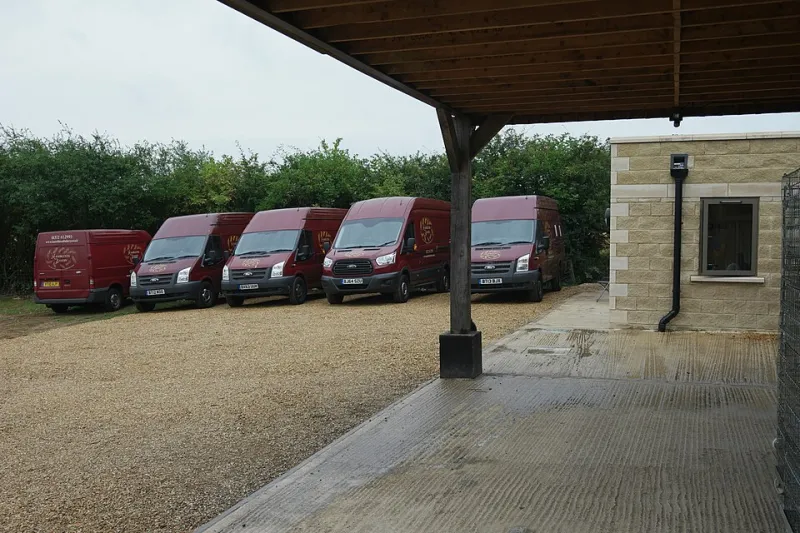
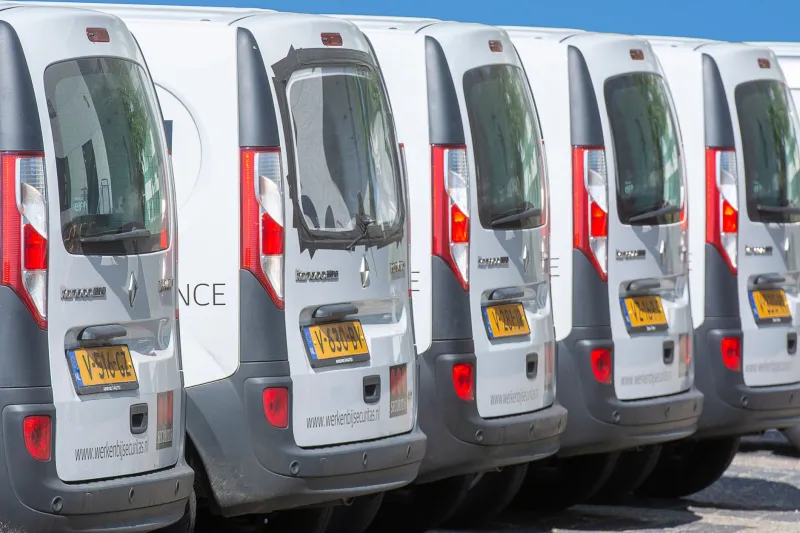
Plan the yard layout before the final day. Leave sufficient space between vehicles for doors to open and for a jump-start or recovery vehicle to reach any van without moving three others. Where possible, park vans nose-out so that a vehicle can be removed without a shunt. Keep the yard's turning circle and fire routes clear.
On level ground, leave manual vans in gear and automatics in park, with the parking brake applied according to the manufacturer's guidance. Where a van will stand for several weeks, consider chocking rather than leaving the handbrake fully applied, particularly on vehicles with rear drum brakes that are prone to sticking. In coastal or exposed yards, face vehicles away from prevailing wind and rain where the layout allows.
Wash and dry each van before parking, paying attention to wheel arches and the underside where road salt collects. Clean glass improves security because it makes the cab visibly empty. Remove loose tools, paperwork and anything that identifies a driver's home address. Where livery is prominent, ensure the vehicle is not left in a position that advertises an unattended fleet to passing traffic.
Battery care is the difference between ready and stranded
A van battery that is marginal in November will often fail in January. Before parking, record the battery state of charge and confirm that the charging system is working. Where mains power is available, use a reputable trickle charger or battery maintainer appropriate to the vehicle; do not rely on a single charger shared between several vans without a plan for rotation.
On vehicles without charging points, run the engine long enough to replenish the battery before shutdown, then isolate the battery if the manufacturer permits it. Follow the handbook rather than habit, because some modern vans lose memory settings, radio codes or learned values when the battery is disconnected. Note any isolation procedure on the vehicle record so that the return-to-service check knows what has been done.
Check screen wash concentration for winter, coolant antifreeze strength and AdBlue levels. AdBlue should be stored within the vehicle's recommended temperature range and not overfilled. Keep fuel tanks reasonably full to reduce condensation, but observe any site rules on fuel storage. Tyre pressures should be set to the laden or recommended parking figure, not left at a summer setting.
Insurance, tax and the paperwork that prevents surprises
Tell your insurer that vehicles will be laid up over the Christmas period, particularly if any van will be off the road for an extended stretch. Ask whether the policy requires notification of a laid-up period and confirm that the vehicle remains covered while parked at the yard. If a van is kept taxed, continuous insurance rules generally apply; SORN is usually the wrong answer for a vehicle returning in January, because it cannot be used on the road until tax and insurance are restored.
Check MOT expiry dates against the return-to-service date. A van due for test in late December should be dealt with before the break, not left to become an early January problem. Record the odometer, fuel level, AdBlue level and any known defects on a shutdown sheet, and photograph each vehicle from four corners. Those photographs are useful evidence if a parking damage claim arises later.
The return-to-service check
Agree the return procedure before the break. On the first working day, the shutdown lead or a nominated driver should walk each vehicle, check for leaks, tyre condition, battery voltage and signs of rodent damage, and confirm that the keys and codes are accounted for. Start the engine, allow it to reach operating temperature, test lights, wipers, washers and brakes at low speed in a safe area, and record the result.
A van should not re-enter service on the strength of a successful start alone. The documented check is the point at which the parking order closes and normal fleet discipline resumes. Done properly, the Christmas shutdown becomes a controlled pause rather than a claims risk, and the fleet returns in January ready to work.