Auction Hall Judgement: How to Vet Ex-Fleet Vans Before the Hammer Falls

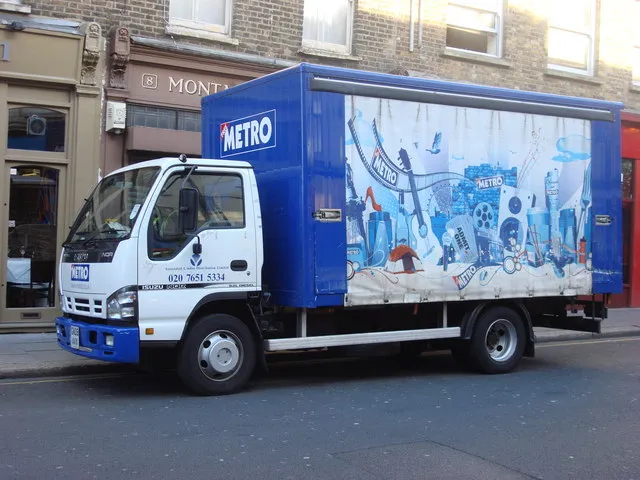
Photo: Zunkir, CC BY-SA 4.0, via Wikimedia Commons
Ex-fleet vans are the backbone of the UK used commercial vehicle market. They arrive at auction with a service history, a known disposal pattern and a specification chosen for work rather than showroom appeal. That can make them excellent value. It can also make them a trap for buyers who bid on the badge, the mileage or the hammer price without checking the details that determine whole-life cost. The difference between a sound workhorse and a money pit is usually visible before the auction starts.
Where ex-fleet stock comes from
Large fleets dispose of vans on cycles shaped by lease terms, budget periods and operational needs. A van may be defleeted after three, four or five years, often with 70,000 to 120,000 miles on the clock. Some are sold direct from fleet; others pass through trade intermediaries, auction houses or remarketing partners.
Ex-fleet status is useful because it suggests a paper trail, not because it guarantees careful use. A van used by a courier, a utility contractor or a hire fleet may have had many drivers and a harder life than the odometer alone suggests. The catalogue description is a starting point, not a substitute for inspection.
Mileage and age sweet spots
For many SME buyers, the practical sweet spot is a four-to-six-year-old panel van with 80,000 to 120,000 miles, a documented service history and a specification that matches the job. Very low mileage can be attractive, but on an older van it may indicate long periods standing, short stop-start journeys or interrupted servicing.
Very high mileage can still be viable if the price reflects it and the van has been maintained, but budget for wear items such as clutch, suspension, brakes and tyres. A van first registered in 2019 is now seven years old; condition and history matter more than the plate. The question is not whether the mileage is high, but whether the maintenance has kept pace with it.
Read the disposal pattern before the catalogue
Check whether the van is being sold direct from a fleet, through a remarketing programme or by a trade seller. Direct fleet disposals often come with service records, two keys and a known maintenance regime. Trade stock may be more mixed.
Ask for the V5C, service book, MOT history and any fleet maintenance printout. A main-dealer stamped history is reassuring, but a well-kept independent history with consistent intervals can be equally sound. Look for a mileage progression that makes sense and for MOT advisories that repeat rather than appear once and disappear.
The desk research that saves money
Before travelling to the auction, run a finance and write-off check, review the MOT history online and check for outstanding recalls with the DVSA. Confirm the vehicle's gross weight, payload and towing capacity against your actual needs. A panel van that is perfect for parcels may be unsuitable for a heavier tool load once racking, ply lining and a driver are added.
Check the emission standard and any clean air zone implications before bidding; a cheap Euro 5 van can become expensive on a daily route into a charging zone. If the van has been converted, inspect the conversion paperwork and insurance implications.
Inspection checklist for the auction yard
Start with the body: sills, wheel arches, roof gutters, rear door apertures and the load floor. Rust in a commercial van is a structural and financial issue, not a cosmetic one. Check the rear doors for alignment and water ingress, the bulkhead for cracks, and the load floor for heavy wear or soft spots.
Look at tyre brands and wear patterns; mismatched budget tyres on a fleet disposal can signal recent cost-cutting. Inspect brake discs and pads through the wheels, and look for oil leaks around the engine, gearbox and differential. A clean engine bay is pleasant, but a recently steam-cleaned one can hide leaks.
Inside, check the driver's seat bolster, pedal rubbers, steering wheel and door handles for wear that may contradict the mileage. Test every switch, light, window, heater blower and infotainment function. Look for warning lights that have been disabled or obscured. On diesel vans, check for DPF warning history, AdBlue faults and excessive smoke. Ask for a cold start if possible; a warm engine can hide starting problems. Check the clutch bite point on a manual, and listen for suspension knocks on the test route if one is offered.
Warranty, finance and the true cost
Auction sales are often sold as seen, and consumer-style remedies may be limited. Some auction houses offer a short warranty or a post-sale inspection period; read the terms before bidding. If you are financing the van, confirm the lender accepts auction purchases and arrange finance in principle before the sale.
Remember the extras: buyer's premium, VAT where applicable, transport, valeting, rectification and downtime. A van that looks £1,000 cheaper at the hammer can be £2,000 more expensive once the fees and repairs are added. The all-in cost is the only figure that matters.
Red flags that should end the bidding
Walk away from a van with no V5C, no keys or a seller who cannot explain the history. Be wary of fresh underseal over corroded sills, paint mismatch along one side, overspray in the door shuts, or a load floor that has been hastily painted. A DPF delete, AdBlue emulator or warning light taped over is a serious warning.
Multiple owners in a short period, inconsistent mileage and repeated MOT advisories for the same structural area all point to a vehicle that has been run cheaply. None of these is automatically fatal, but each should be priced into the bid. If the explanation is vague, the risk is not.
Bidding with discipline
Set a maximum all-in cost before the auction and write it down. Include fees, VAT, transport and a contingency for tyres, brakes and servicing. Do not chase a van beyond that number because the day is ending or because another bidder is pushing. Inspect the competition as well as the vehicle: if trade buyers are absent, ask why. A quiet auction can produce a bargain, but it can also signal a vehicle with a known problem.
Ex-fleet vans remain one of the most sensible routes into affordable commercial vehicle ownership for UK businesses. The advantage goes to buyers who treat the auction as a due-diligence exercise rather than a contest. Check the history, inspect the structure, price the risks and bid only to a pre-set limit. That approach will not guarantee a perfect van, but it separates a calculated purchase from an expensive lesson.