Temporary Wheels, Permanent Records: A Loan Van Handover Pack for UK Fleets

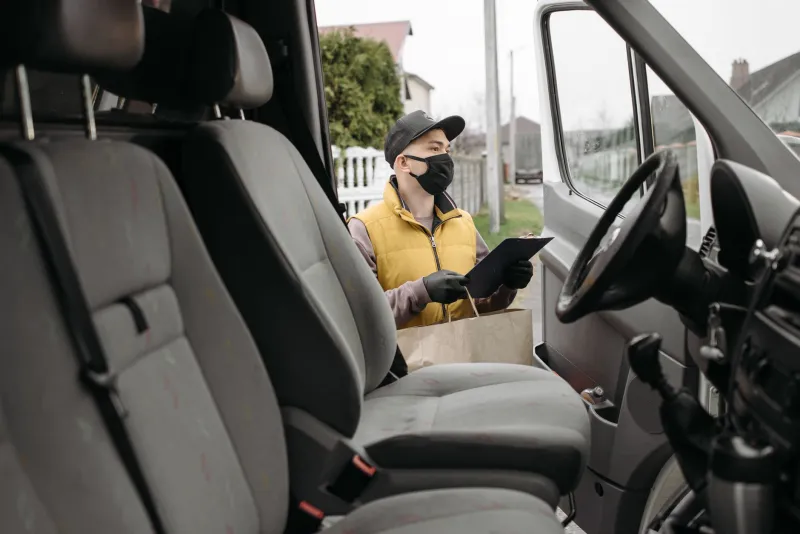
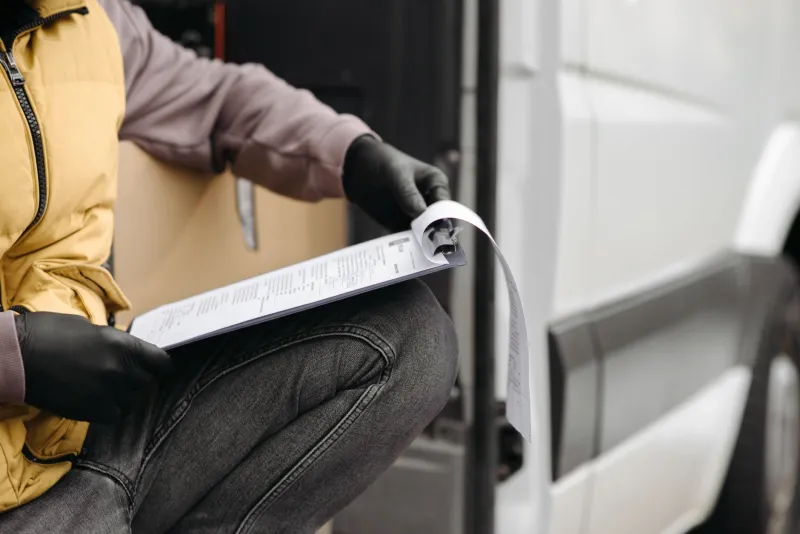
Photo: van hire handover inspection clipboard fleet driver UK commercial vehicle, via www.wildernessvans.com
Temporary vehicles are a fact of fleet life. A van goes into the workshop, a customer deadline does not move, and a hire or loan unit arrives at the gate. The vehicle may be clean and roadworthy, but the paperwork around it is often thinner than the fleet's own standards. For SME operators, that gap matters: an unfamiliar van with unclear insurance, an unrecorded kerb mark or a driver who has not been briefed on load rules can turn a short-term solution into a compliance and cost dispute.
The answer is not a longer hire agreement. It is a repeatable handover file that treats every temporary van as a fleet vehicle from the first mile to the return inspection. The file should be assembled before the keys are handed over and closed only when the vehicle has been returned and accepted. For 2026, that discipline is especially relevant as hire availability tightens around peak periods and insurers continue to ask for clear evidence of driver authorisation and vehicle condition.
Establish entitlement and authority first
A temporary van is not a pool car. Before any driver collects a hire or loan vehicle, the fleet office should confirm that the driver is authorised under the company's own policy and that the hire company or insurer accepts them. A DVLA licence check should be recorded on the day of collection or as close to it as practical, with the categories, endorsements and expiry date noted. Where the hire agreement restricts drivers by age, licence type or conviction history, those restrictions should be written into the handover file rather than left in an email chain.
The same applies to authority. A workshop apprentice may be able to move a van around the yard, but that does not mean they are covered to drive a hire vehicle on a customer route. The handover pack should name the authorised driver, the purpose of the loan, the expected duration and the person who approved the arrangement. If the vehicle is being supplied as a replacement under an insurance claim, the insurer's approval reference should sit alongside the hire agreement.
Photograph the vehicle as found
Condition evidence is the most common weak point in a temporary vehicle file. A quick walk-round on a phone is better than nothing, but it is not a fleet record unless it is stored, labelled and comparable. The handover should include timestamped photographs or a short video covering all panels, wheels and tyres, the windscreen, mirrors, lights, load area, bulkhead, floor, interior trim and any fitted equipment such as racking, tail-lifts or telematics units. The odometer and fuel gauge should be photographed together so that mileage and fuel are beyond doubt.
Where the hire company provides a damage map, the driver should sign it only after comparing it with the vehicle. Any mark not shown on the map should be added before the vehicle leaves the hire depot. If the vehicle is delivered to site, the same inspection should take place before the driver signs the delivery note. A copy of the completed condition record belongs in the fleet file, not in the driver's glovebox or a personal phone gallery.
Read the insurance and indemnity terms in plain terms
The fleet's own motor policy may cover hire vehicles, or it may not. The hire company may include insurance, or it may offer a damage waiver that is not the same thing as comprehensive cover. The handover file should record which policy applies, the policy number, the excess, the permitted use, the mileage limit and any security requirements such as overnight parking or immobilisation. If the vehicle is liveried or carries tools and equipment, the fleet should confirm that those arrangements are acceptable to the insurer and the hire company.
A short written confirmation is more useful than a verbal assurance at the counter. Where the hire company's insurance applies, the driver should understand the excess and the circumstances in which it can be reduced. Where the fleet's policy applies, the insurer should be told the vehicle is a temporary replacement if the policy requires notification. The point is not to duplicate cover; it is to avoid discovering a gap after an incident.
Brief the driver on livery, load and vehicle differences
A driver who knows the fleet's own van will not automatically know a loan van. Height, length, payload, load restraint points, tail-lift operation and parking sensor behaviour can all differ. The handover should include a short driver briefing record covering the vehicle's gross weight and payload, the load restraint method to be used, any restrictions on roof loads or towing, and the procedure for reporting damage or defects. If the loan van is not signwritten, the driver should also be clear about how the vehicle represents the business at customer sites.
Livery needs particular care. Magnetic signs may be acceptable on some hire vehicles and not on others; adhesive graphics usually are not. If the fleet applies its own branding, written permission should be obtained and the removal method agreed before the vehicle is returned. The same caution applies to fitted racking or welfare equipment: temporary fit-out can affect payload and may breach the hire terms if it is not approved.
Keep the return evidence ahead of the dispute
Return disputes often arise because the handover record was thin, not because the damage was hidden. The return inspection should mirror the collection inspection: same angles, same equipment, same odometer and fuel record. New damage should be compared against the handover photographs, not against memory. Cleaning, missing equipment, tolls, parking penalties and mileage overages should be checked against the agreement before the file is closed.
If a charge is disputed, the fleet should raise it in writing promptly and attach the handover evidence, the return evidence and the relevant agreement terms. A clear chronology is far more persuasive than a later assertion that the vehicle was already marked. The temporary van may leave the fleet within days, but the record should remain accessible for as long as the hire agreement, insurance policy or internal audit requires.
A one-page control sheet
A simple control sheet keeps the file usable. It should record the vehicle registration, hire or loan agreement number, collection and return dates, starting and closing mileage, fuel level, insurer and policy reference, driver licence check date, damage reference, equipment fitted, driver briefing completed and return inspection sign-off. The sheet does not replace the photographs or the agreement, but it gives the fleet manager a single place to see whether the handover is complete.
Temporary vehicles should not create a permanent compliance gap. With a disciplined handover file, a loan van can do exactly what it is meant to do: keep the business moving without leaving the fleet exposed.